Healing from an orthopedic injury can feel like a daunting challenge, filled with uncertainty and a range of emotions. Whether it’s a fracture, tendon tear, or articular issue, the journey toward recovery requires patience, dedication, and the appropriate approach. Comprehending the stages involved in orthopedic injury treatment is essential, as it not only helps you navigate the recovery process but also enables you with knowledge to maximize your healing potential.
The path to recovery generally begins with a thorough diagnosis, which guides the treatment plan customized to your individual needs. This plan may encompass a mix of rest, physical therapy, medication, or even surgical intervention, depending on the severity of your injury. By dividing the treatment into feasible steps, you can not only track your progress but also regain confidence as you strive for full recovery.
Understanding Bone and Joint Injuries
Musculoskeletal injuries include a variety of issues pertaining to the musculoskeletal system, including bone structures, joints, ligament structures, and tendons. These injuries can occur from various causes, such as trauma, overuse, or deterioration. Common cases include fractures, sprains, tendonitis, and joint displacements. Comprehending the nature of these injuries is crucial for successful treatment and healing.
The degree of bone and joint injuries can differ significantly. Certain injuries may be mild and recover quickly with traditional treatment, while different cases might require surgical intervention. Factors such as the patient's age, general wellness, and the exact location of the injury have crucial roles in deciding the appropriate treatment approach. Recognizing the implications of an orthopedic injury early on can create a pathway for a more tailored recovery strategy.
Diagnosis typically entails a combination of clinical evaluation and diagnostic imaging, such as X-rays or MRIs. Such tools help physicians evaluate the severity of the injury and adapt the treatment to the needs. After a correct diagnosis is made, patients can begin a comprehensive orthopedic injury treatment program crafted to rehabilitate function, mitigate pain, and facilitate healing.
Treatment Choices and Approaches
Musculoskeletal injury treatment begins with a thorough evaluation to identify the exact characteristics of the injury. This evaluation typically consists of clinical examinations, diagnostic tests such as radiographs or MRIs, and a discussion of the individual's medical history. Once the injury is diagnosed, a personalized management strategy is developed, which may range from non-invasive management to operative interventions.
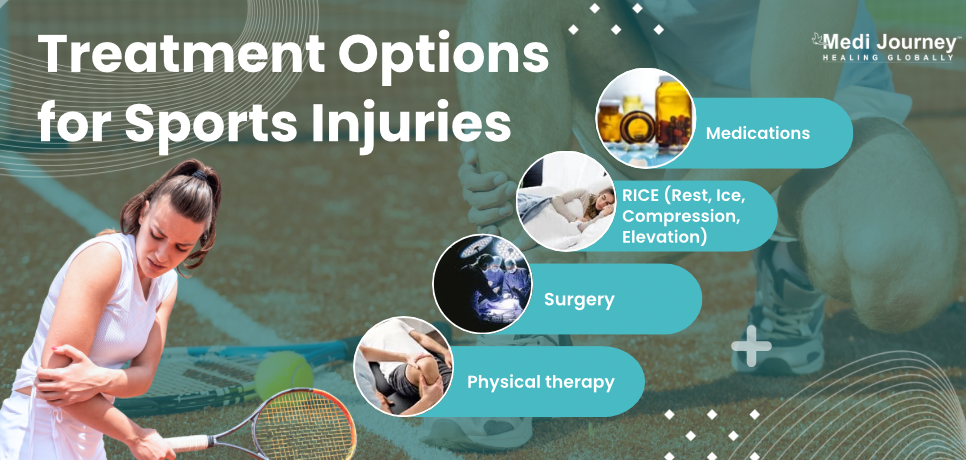
Non-surgical therapeutic approaches are usually the initial line of management for orthopedic traumas. https://www.articlecube.com/how-digital-marketing-helps-orthopedic-surgeons-attract-more-patients may consist of rest, ice, pressure, and raising, collectively known as the RICE approach. Rehabilitation is also frequently recommended to improve muscles, enhance flexibility, and improve scope of movement. Pain management strategies, including medications like NSAIDs, can assist in reducing pain during the recovery phase.
In situations where conservative treatments prove ineffective, surgical choices may be required. Surgical procedures can vary greatly based on the type and severity of the condition, varying from arthroscopy to repair of torn ligaments or cartilage, to more extensive reconstructive surgeries. After surgery, a systematic recovery plan is crucial to facilitate adequate rehabilitation and prevent issues, allowing patients to recover normal function and return to their daily activities.
Rehab and Recuperation Tactics
Rehabilitation after an orthopedic injury event is essential for restoring function and preventing future problems. Early phases usually concentrate on diminishing pain and inflammation through rest, ice, compression, and elevation. As recovery advances, mild movements and stretching become crucial. Working with physiotherapists can provide personalized regimens that emphasize strength building and range of motion, addressing the specific needs of the damaged area.
As individuals advance in their recovery, increasing the effort of workouts becomes important. This phase often includes strength exercises and functional movements that simulate daily activities or athletic movements. Slowly introducing these tasks helps to rebuild muscle strength and coordination. It is crucial to pay attention to the body and not push through pushing through discomfort, as this can result in setbacks or further injury.
Finally, sustaining a consistent routine is vital for sustaining the gains gained during rehab. Incorporating continuous fitness work into everyday routines can aid prevent recurrence of injury. Setting achievable goals and monitoring progress promotes motivation and commitment to the rehabilitation journey. With the appropriate strategies and assistance, individuals can successfully go back to their pre-injury level of activity and live a healthier, more energetic way of life.